Showing posts with label Lotus. Show all posts

Monday, June 27, 2011

211-2012 Lotus Exige Sporty Stylish Concept

The original Lotus Exige (NA or naturally aspirated Exige) was launched in 2000 and had a 1.8 L Rover K Series engine in VHPD (Very High Performance Derivative) tune. It produced 177 bhp (132 kW; 179 PS) in standard form and 192 bhp (143 kW; 195 PS) in the "track spec" version. The Lotus Exige is a two-door, two-seat sports car made by Lotus Cars. It is essentially a coupé version of the Lotus Elise, a mid-engined roadster in production since 1996.


211-2012 Lotus Exige

The Series 2 Lotus Exige was introduced. It features a 1.8 L 16-valve DOHC Toyota/Yamaha engine that produces 190 bhp (142 kW; 193 PS) with the Toyota engine designation of 2ZZ-GE. Compared to the Series 2 Elise, it has a front splitter, fibreglass hardtop roof with roof scoop, rear engine cover, and rear spoiler. The sole purpose of these aerodynamic additions to the base Elise is to create more downforce (almost 100 lb (45 kg) of downforce at 100 mph (160 km/h) in the Exige versus 13 lb (5.9 kg) at 100 mph (160 km/h) in the Elise).
211-2012 Lotus Exige


The Lotus Exige S Type 72 comes standard with a Sport Pack that consists of black micro fiber ProBax sports seats with gold stitching and a special build plate commemorating one of the F1 car’s 20 Grand Prix victories. At the exterior, the Lotus Exige S type 72 features black and gold Lotus Type 72 color scheme, unique black and gold light weight wheels and is finished with hand-painted gold Type 72 and Exige S logos.

211 Lotus Exige

The new 2011 Lotus Exige gains a composite rear wing, first seen on the Exige GT3 road car concept. This new wing is 7.1 inches wider, is mounted 1.8 inches higher and 2.4 inches further back compared to the previous model year.Not only is the wing's size and location different, but it is also mounted to the body via end plates which increases stiffness and increases airflow over the wing - all told, it maintains an impressive 93 pounds of downforce at 100 mph.

Powering the 2011 Lotus Exige S is a supercharged and air-to-air intercooled version of the same Toyota-sourced 1.8 liter inline-four used in the Elise. As the name suggests, the Exige S240 version produces 240 horsepower at 8,000 rpm along with 170 lb-ft at 5,500 rpm. It features Toyota's variable valve timing and lift system. The only transmission is a six-speed close-ratio manual, sending power to the nearby rear wheels. The Exige S240 weighs in at just under 2,100 lbs, and returns 20 mpg in the EPA's city cycle and 26 mpg on the highway. The Exige S240 sprints from zero-to-60 in just 4.1 seconds, and finishes the race to 100 in just ten seconds.

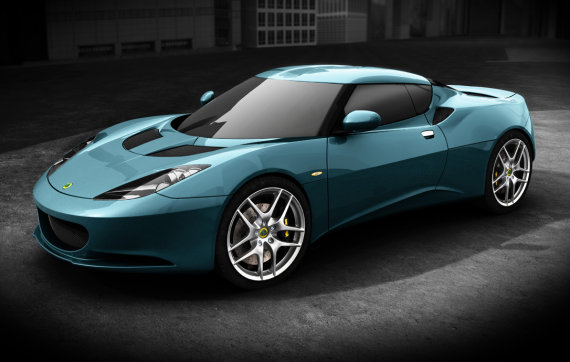
2011 Lotus Evora Best Engine Performance

The name 2011 Lotus Evora has long been synonymous with innovation and speed, both on the world’s race tracks and also on public roads. Founded by legendary engineer Colin Chapman in the 1950s, the marque enjoyed great track success in the 1960s and 1970s when drivers such as Jim Clark, Graham Hill, Jochen Rindt, Emerson Fittipaldi and Mario Andretti all took the Formula OneWorld Championship behind the wheel of a Lotus.

2011 Lotus Evora

Lotus is still at the forefront of car design and performance and helping it remain there is NGK Spark Plugs which is aiding the vehicle manufacturer to achieve leadership on the road by supplying spark plugs for the head-turning new 2011 Lotus Evora S supercar. NGK is an original equipment supplier to the vehicle manufacturer with its unique ILFR7B-8 Iridium platinum tipped long-reach spark plugs. 2011 Lotus Evora S is powered by a 3.5-litre DOHC V6 VVT-I supercharged Toyota engine which delivers 345bhp at 7000rpm (350PS). It has a breath-taking 0-60mph figure of just 4.6 seconds and a top speed of 172mph.

2011 Lotus Evora

Winning the contract for the lightweight £60,000-plus car, which has an aluminium chassis, represents a major achievement for NGK, which has a long track record of supplying OE parts to the world’s leading vehicle manufacturers. Brian Childs, NGK Spark Plugs (UK) Ltd’s Deputy Managing Director, said: “The fact that we were chosen to supply these unique spark plugs by Lotus for the supercharged Toyota engine above other spark plug manufacturers represents a major success for ourselves.

“In 1976, we had our first OE contract for the Lotus Esprit and so this contract continues this long relationship between the two companies. Lotus is respected for its engineering skills and this is another example of the OE successes we have enjoyed over the years with the world’s leading vehicle manufacturers.”

2011 Lotus Evora

Lotus started with an all-new extruded aluminum chassis for the Evora that is bonded, rather than welded or bolted together. The result (like the Elise/Exige) is an exceptionally light and rigid chassis. But according to Lotus, the 2011 Lotus Evora structure is 60 percent more rigid than the Elise. This improved chassis stiffness allowed engineers to bolt on a more compliant suspension without compromising cornering prowess. The seat-of-the-pants feel of the Elise has been dialed back considerably, but the vehicle still communicates better than almost any non-Lotus sports car.

2011 Lotus Evora Hybrid

Mounted just behind the rear bulkhead is a transversely mounted 3.5-liter V6 engine that is based on the Toyota Camry power plant. In order to squeeze this engine into such a small space, Lotus engineers rotated the V6 almost 30 degrees rearward. With some components developed by Lotus (ECU, intake, exhaust), output is increased slightly to 276 horsepower and 258 pound-feet of torque. A six-speed manual is currently the only transmission available, but a paddle-shift automatic is expected by the next model year. Lotus claims a 4.9-second 0-60-mph time, a top speed of 162 mph and a skid-pad number approaching 1.0g. We were unable to run this Evora through our usual instrumented test regimen, but we're inclined to believe the company's numbers from our seat-of-the-pants impressions. Fuel economy is also impressive, estimated at more than 30 mpg on the highway a figure unheard of for an exotic car with such performance.


Daytime Running Lights Dual front seat adjustment -inc: recline, Magnesium flat-bottomed leatherwrapped
steering wheel, Instrumentation -inc: high definition LCD message panel, Illuminated knobs & switches
w/aluminum trim, Remote release glovebox, Integrated cup holders, Door storage bins, 12V pwr outlets -inc:  interior, Leather-trimmed shift knob & handbrake sleeve, 18" front wheels, 19" rear wheels, P225/40ZR18 front performance tires, P225/35ZR19 rear performance tires, Side scoops, Sculpted roof, Front air dam, Aerodynamic rear diffuser, Aerodynamic rear spoiler, Bi-xenon headlights w/headlight washing system, LED taillights, Solar glass windows, Intermittent windshield wiper, Lotus Evora chrome ornamentation, Chrome-colored door handles, Bosch electronic differential lock, Forged aluminum double wishbone suspension w/integral joint, Front & rear stabilizer bars, Front & rear Eibach coaxial coil springs, Hydraulic-assist pwr steering, 4-wheel vented disc brakes, AP racing 4-piston calipers, Dual polished exhaust, Side impact safety structure, Front outboard 3-point seat belts, Front & rear seat belt harness anti-roll bars.

Rear central high-mount stop light12V pwr outlets -inc:  interior  trunk-mounted, Door storage bins, Illuminated knobs & switches w/aluminum trim,Integrated cup holders, Leather-trimmed shift knob & handbrake sleeve, Magnesium flat-bottomed leather-wrapped steering wheel, Remote release glovebox,18" front wheels,19" rear wheels, Aerodynamic rear diffuser, Aerodynamic rear spoiler, Bi-xenon headlights w/headlight washing system, Chrome-colored door handles,Front air dam,Intermittent windshield wiper,LED taillights, Lotus Evora chrome ornamentation, P225/35ZR19 rear performance tires, P225/40ZR18 front performance tires, Sculpted roof,Side scoops, Solar glass windows, Front & rear seat belt harness anti-roll bars, Front outboard 3-point seat belts, Rear central high-mount stop light, Side impact safety structure.

Friday, June 24, 2011

2011 Lotus Elise Luxury Concept Sports Car

Major changes and improvements to the entire model range 2011 Lotus Elise: New design developments
incorporating new clamshell body front, rear bumper and hood, new all in one integrated headlights including
daylight lamps LED and LED direction indicators, improved aerodynamics with a Cd reduction by 4%, resulting in better fuel economy, new cast and forged wheels and the security of vehicles increased from 2 to 3 years and 36,000 miles.

2011 Lotus Elise

Other changes for 2011 Lotus Elise model year entry level Lotus Elise: New high-tech 1ZR FAE 1.6 liter engine with Valvematic and Dual VVT-I technology to optimize performance and engine efficiency, less than 155 g CO2 per kilometer (improved over 13% compared to the 2010 Elise S) *, combined fuel consumption of 6.14 liters per 100 km (46 mpg) *, New gearbox six-speed close-ratio speed control is available as part of tour package Making its debut at the 80 th International Motor Show Geneva, the model of 2011 Lotus Elise introduced a number of changes and improvements to maintain its leading position in its class.

2012 Lotus Elise


For the 2011 model year, the Elise range consist of the following options:
* Lotus Elise - 136 hp, less than 155 g CO2 / km - The new 1.6-liter
* Lotus Elise R - 192 PS, 196 g CO2 / km - 1.8 liter
* Lotus Elise SC - 220 PS, 199 g CO2 / km - 1.8-liter supercharged engine


We opened the class Lotus 1.6 Elise in the Hungarian Touringcar Championship. This class will be running together with the touringcars of 2.0 cc and less and will provide separate trophies. We can create a separate race from 15 drivers. This class can be a good opportunity for young drivers because until 1.6 cc the drivers can be entraits when they are 12 years old. The cars of Lotus Ladies Cup can also be used in this class.

2011 Lotus Elise

Less than 24 hours after the announcement of his commitment to 2011 Lotus Elise as a brand ambassador for the Type 125 programme, former F1 driver Jean Alesi visited the Lotus Headquarters in Hethel, Norfolk and put one of the road cars through its paces. During his visit Alesi also took time out to look over the facilities including the production lines before heading out on the test track with one of the current range. Commenting on his visit Jean Alesi said: “I’m really impressed with the set up here, it’s fantastic, so much care and attention to detail goes into the production. Every element from design through to engineering is spectacular. Driving the Evora was a lot of fun too. Perhaps people make the mistake of underestimating the Evora, it handles really well, great power, overall performance and most of all fun - everything I would expect from a Lotus.

2011 Lotus Elise


I really enjoyed driving it.” He didn’t just keep the experience to himself though, in the days leading up to his visit, on-site Lotus employees were given the opportunity to enter a competition to win a passenger lap with the F1 legend – as a result, five lucky Lotus staff members had the exclusive chance to ride shotgun with Alesi. Not quite your average Friday at work some might argue.

Thursday, April 28, 2011

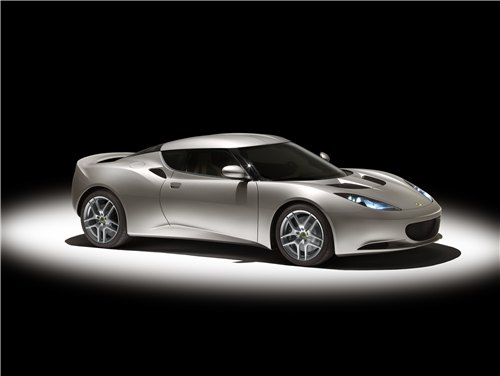
2011 Lotus Evora

front pic of 2011 Lotus Evora


What does Lotus know about handling that eludes the rest of the world? It's a question we asked ourselves after an exhilarating mountain-road romp in the new Evora. While this Lotus makes several concessions to practicality, such as a small rear seat and even cruise control, essentially it's a driver's car. And for 2011, there's nothing better on the road. Those with the means will enjoy a connection between the car and the road that borders on telepathic. The steering effort linearly increases as the cornering forces build, and the suspension impeccably keeps the tires squarely planted on the road. The result is a car with high but accessible cornering limits, a sports car that makes even novice drivers feel like heroes. Even better, the Evora smashes the notion that good handling and a supple ride are mutually exclusive—it's cushy enough to drive to work, yet incredibly entertaining on curvy roads and racetracks.

Thursday, July 29, 2010

Lotus Exige Cup 260 (2008)

Lotus Exige Cup 260 (2008)
The Lutus Exige Cup 260, once again represents Lotus' most radical version of the Exige, with the track environment being its home and for 2008.A direct development of the 2007 Exige Cup Car, this year's car has a revised engine management system to take the maximum power output to 257 hp (260 PS), up by nearly 5 hp (5 PS) over last year.The Lotus Sport Exige Cup 260 is one of the quickest cars around a circuit. Key to this incredible performance is the aerodynamic package, which produces over 40 kg of downforce at 160 kmh increasing grip and stability at higher speeds. With a top speed of 247 kmh (147 mph) and a zero to 160 kmh (100 mph) in circa 9.9 seconds, 0 to 100 kmh in circa 4.1 seconds (0 to 60 mph in circa 4 seconds), the MY2008 Exige Cup 260 is the perfect partner for the serious racer. Combined Fuel Consumption is 9.1 l/100km and the CO2 emissions 216 g/km.

Sunday, July 4, 2010

Lotus Exige Scura

Lotus Exige Scura


This is the limited edition Lotus Exige Scura, also known as the “Stealth Edition” in Japan , that will soon go on sale in the UK . Shown at the Tokyo Motor Show, the Scura is a modified Exige S, with 260bhp squeezed from its supercharged engine due to a revised ECU.

The Exige S in standard form has 220bhp while the performance pack offers 240bhp. Listed as standard on the track day special are the following: launch control, Ohlins 2-way adjustable dampers, and variable slip traction control. You may be wondering about the “Stealth” name. Special matt “Phantom Black” paint gives the Stealth its name. The weight is reduced by 10kg because carbonfiber was used on some components including sports seats, centre consol, oil cooler inlet valves and front splitter. High gloss “Phantom Black” triple stripes run the length of the car. The Scura will reach 60mph in 4sec, 100mph in 9.9sec and a top speed of 152mph. If buyers order books immediately after this week’s Tokyo motor show, the car will be priced £45,000 in the UK .

Sunday, November 8, 2009

Lotus Evora Wallpaper

Lotus Evora Wallpaper
Lotus Evora Wallpapers
Lotus Evora Wallpaper and Picture

Lotus Evora Wallpaper and Picture
Lotus Evora Picture
Lotus Evora Picture
Lotus Evora Pictures

Thursday, October 22, 2009

Lotus Exige Scura

Lotus Exige Scura
Lotus Exige Scura
2009 Lotus Exige Scura

Lotus Exige Scura - Front View

2009 Lotus Exige Scura

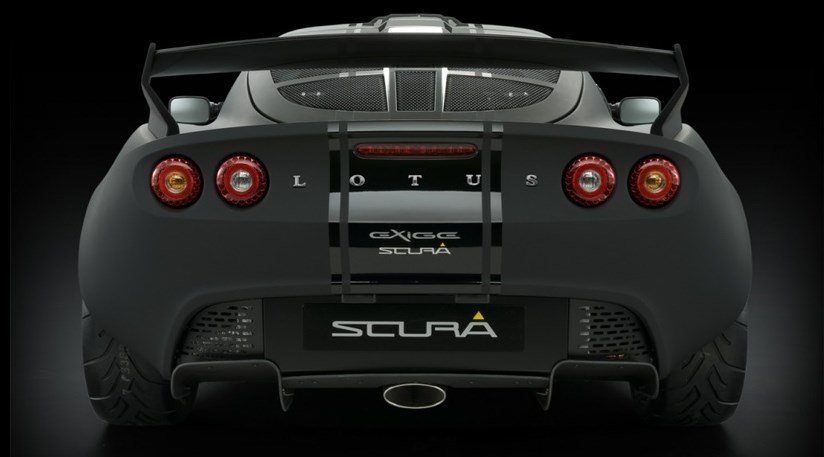
Lotus Exige Scura - Rear View

Lotus Exige Scura
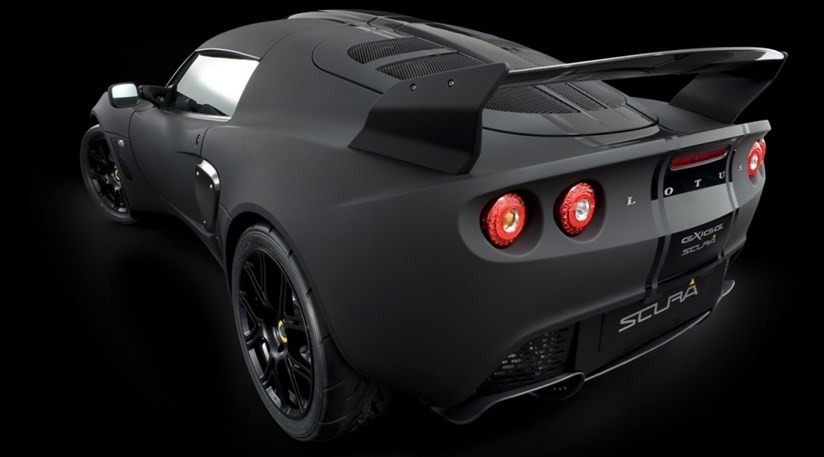
Lotus Exige Scura - Side Back View

2009 Lotus Exige Scura
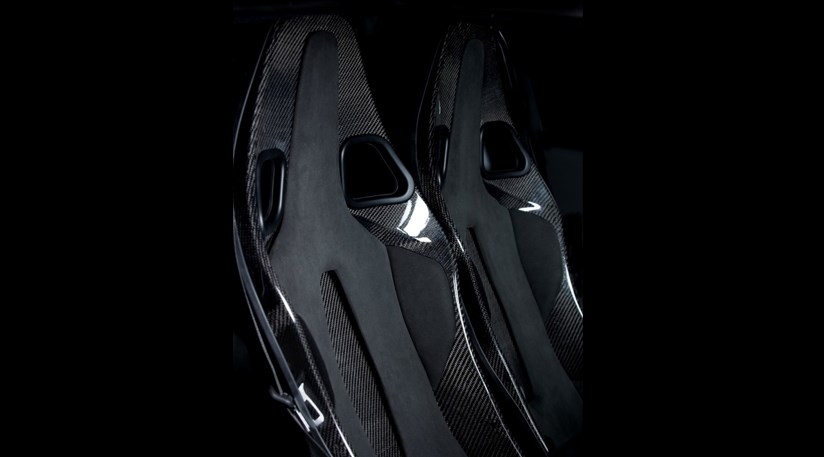
 Lotus Exige Scura - Seats


Saturday, October 3, 2009

Lotus Elise Wallpaper


 Project Kahn Lotus Elise
Lotus Elise, Lotus Elise Photo, Lotus Elise Wallpaper
 Project Kahn Lotus Elise
Lotus Elise, Lotus Elise Photo, Lotus Elise Wallpaper

Project Kahn Lotus Elise

Lotus Exige Cup 260 Wallpaper

Lotus Exige Cup 260, Lotus Exige Cup 260 Photo, Lotus Exige Cup 260 Wallpaper2010 Lotus Exige Cup 260 - Side Angle

Lotus Exige Cup 260, Lotus Exige Cup 260 Photo, Lotus Exige Cup 260 Wallpaper2010 Lotus Exige Cup 260 - Track

Lotus Exige Cup 260, Lotus Exige Cup 260 Photo, Lotus Exige Cup 260 Wallpaper2010 Lotus Exige Cup 260 - Side

Lotus Exige Cup 260, Lotus Exige Cup 260 Photo, Lotus Exige Cup 260 Wallpaper2010 Lotus Exige Cup 260 - Interior

Lotus Exige Cup 260, Lotus Exige Cup 260 Photo, Lotus Exige Cup 260 Wallpaper2010 Lotus Exige Cup 260 - Seats

Lotus Exige Cup 260, Lotus Exige Cup 260 Photo, Lotus Exige Cup 260 Wallpaper2010 Lotus Exige Cup 260 - Rear Angle

Lotus Evora Wallpaper

Launching Lotus Evora

Launching Lotus Evora

Lotus-Evora-Front and Left Side

Tuesday, September 22, 2009

Lotus Elise Club Racer


Lotus Elise image, Lotus Elise photo, Lotus Elise picture
Lotus Elise Club Racer
Lotus Elise image, Lotus Elise photo, Lotus Elise picture
 Lotus Elise Club Racer

Lotus Elise image, Lotus Elise photo, Lotus Elise picture
 Lotus Elise Club Racer

Lotus Evora Type 124 Endurance Racecar

Lotus Evora Type 124 image, Lotus Evora Type 124 photo, Lotus Evora Type 124 picture
 Lotus Evora Type 124
 Lotus Evora Type 124 image, Lotus Evora Type 124 photo, Lotus Evora Type 124 picture
 Lotus Evora Type 124
 Lotus Evora Type 124 image, Lotus Evora Type 124 photo, Lotus Evora Type 124 picture
Lotus Evora Type 124
Lotus Evora Type 124 image, Lotus Evora Type 124 photo, Lotus Evora Type 124 picture
 Lotus Evora Type 124
Lotus Evora Type 124 image, Lotus Evora Type 124 photo, Lotus Evora Type 124 picture
  Lotus Evora Type 124


Monday, April 27, 2009

UK Garage Presents Lotus Extrema

Italian tuner UK Garage is presenting its latest project, the Lotus Exige-based Extrema. UK Garage works on such names as TVR, Noble and Radical. Plenty of work has gone into the Extrema from when it was an Exige up until its current format.

Beginning with engine, buyers are spoiled for choice as they wade through a list that comprises exclusively of GM powerplants. At the entry point is a 2.6-litre with 360hp (265kW) followed by a 2.8-litre making 450hp (331kW) or a 560hp (412kW) 3.4-litre version. All three use a PowerTech V8 engine weighing 95kg. With this engine total vehicle mass does not exceed 750kg.

Moving to the next menu is GM's 2.8-litre V6 turbo that either produces 300hp (221kW) or 350hp (257kW). With this mill fitted the car goes up to 850kg in weight which is still very light. Up the performance ladder is where things get more interesting. UK Garage offers potential customers a register comprised of Chevrolet and Corvette powerplants that will be fitted into their Extremas. Again starting from the bottom there are two Chevrolet LS3s making either 420hp (309kW) or 500hp (368kW) each. At this level weight goes up a notch to about 970kg.

Those who long for absolute Extrema grunt, the 513hp (377kW) LS7 or the LS9 found in a Corvette ZR1 with 647hp (476kW) can be selected. This time vehicle mass reaches 1,000kg. This particular combination allows the Extrema to reach 100km/h from standstill in 2.8 seconds, 0 - 200km/h in 7 seconds and top off at 320km/h. Gearshifts are taken care of courtesy of either a manual or a sequential transmission system.

The Extrema has an aluminium chassis, and buyers can have either fiberglass or a kevlar-carbon composite body fitted. The body has been lengthened by some 20cm to accommodate these big engines. It has also been widened for the bigger tyres and equipped with an adjustable suspension system.

All this comes at a price of €66,000 including taxes for the baseline model while road-legal conversions can be made at extra cost.

Sunday, April 26, 2009

All Carbon-Fiber Lotus Elise

Carbon fiber saves a lot of weight and is increasingly used in performance cars. But making a whole car out of carbon fiber may just end up being a tad too expensive. But someone has given it a go anyway.

Pictured here is a 2002 Type 72 JPS Lotus Elise built (or re-built?) to order for a Chinese customer by TW Auto Limited.

The Hong Kong based TW Auto has completely replaced both the interior and exterior with customized raw carbon fiber panels. The weight saved on the already feather-ous Lotus Elise? 66 to 88 pounds (or about 40 kg).

Additionally, the diet also included a lighter KW suspension, Lotus Racing exhaust, JP Racing wheels, as well as bigger air intake and air filter.

The re-working of the Elise took a whole 6 months for TW to complete for customer Jimmy Wong.

Sunday, March 29, 2009

Lotus Elise styling package by Project Kahn

One of Project Kahn's major missions when transforming a normal Lotus Elise into what you see here was to help owners of the car stand out from a possible sea of other Elise owners out there. As a 60th anniversary project for Lotus, Kahn went even sportier with the Elise, installing a full aerodynamic body styling package.

Front spoiler, ventilated front wings, side sills, rear spoiler and larger side intake ducts are some of the exterior alterations done. Interior also received some attention with a full leather compliment fitted. In addition Kahn provided a sports exhaust system to improve engine breathing and then improved handling with a lowered suspension with 28 stage dampeners. Improving the handling of an Elise is quite a tall order, given the car's established high credentials on a track, but Project Kanh is confident they have done it.

Monday, March 31, 2008

Lotus Exige S by 'Union Jack'

The Lotus Exige must be one of the most curvy car designs pounding our roads at present. So when Discovery Channel’s popular series ‘How Do They Do It?’ needed a donor car to show how a professional team wraps vehicles in all manner of advertisements and murals, they chose a difficult specimen in the Exige.

A team of four expert technicians took 10 hours to completely wrap the Exige in its new red, white and blue livery and the Lotus is said to be a real crowd pleaser on the track.

Mike Kimberley, CEO of Group Lotus commented, “At Lotus we pride ourselves in spearheading the development of technology in the vehicle market and working on this project was a truly unique opportunity. Lotus Design captured a very special element of our heritage with the brief, ‘great British racing’. The Union Jack theme and the flying flag concept perfectly embody the Lotus spirit”.

Lotus intends to show the unique Exige at a number of UK dealers over the next few months as part of its ‘Lotus Roadshow’.

Press release:

'Union Jack' Lotus Exige 'S' hits the great British roads
It’s not unusual for a Lotus Exige ‘S’ to turn heads, but one particular car is rousing more curiosity than most. Covered in a patriotic red, white and blue Union Jack design, one Exige ‘S’ is the recent star of the Discovery Channel’s popular series ‘How Do They Do It?’.
With its voluptuous curves and cut-away details, the Exige is one of the most distinctive and unique cars on the road, so it was a perfect choice for the ‘How Do They Do It?’ team who were looking for a challenging case study for their vehicle wrapping feature. ‘Totally Dynamic’ who specialise in the application of vinyl wraps were assigned the project and took 10 hours to transform the iconic Exige for the documentary which follows the project from brief to the finished car making its track debut.
The scheme was developed by Lotus Design to move away from the traditional static Union Jack to that of a flying flag to show the essence of movement and speed. The finished car is a real attention seeker and has amazing track presence.
Lotus has a fantastic history of producing one-off and collectors-edition cars and Union Jack Exige sits amongst Lotus most exceptional and extraordinary looking vehicles. Mike Kimberley, CEO of Group Lotus commented, “At Lotus we pride ourselves in spearheading the development of technology in the vehicle market and working on this project was a truly unique opportunity. Lotus Design captured a very special element of our heritage with the brief, ‘great British racing’. The Union Jack theme and the flying flag concept perfectly embody the Lotus spirit”.
‘Totally Dynamic’ supplied the expertise for the intricate process in which a team of 4 installation technicians expertly applied a vinyl wrap to the Exige ‘S’, transforming the car in just 10 hours. The process was exciting but extremely complex, as ‘Totally Dynamic’ MD Adrian Rope explained, “Our whole team was excited by the challenge that the Lotus Exige’s stunning contours presented us. It was a pleasure working on such a thoroughbred car and our experience with high performance vehicles was crucial to creating the professional finish it deserved.
“It was a real privilege to have been chosen out of all the vehicle wrapping companies in the UK by the Discovery Channel and Lotus and their faith in us demonstrates why Totally Dynamic is the cutting edge choice for vehicle transformation.”
For a limited time the Union Jack Lotus Exige ‘S’ will be joining the Lotus Roadshow which consists of the latest Lotus models and is visiting the UK network of Lotus dealers.

Sunday, March 2, 2008

Lotus Exige 270E TriFuel at Geneva Motor Show

Interesting times indeed for the world that even a purist automaker like Lotus is getting ready to mesmerise mother nature as it reveals the Exige 270E Tri-fuel. Tri-fuel runs on methanol, bioethanol and petrol/gasoline. It has a top Vbox reading of 255km/h, having dispatched the 0 - 100km/h time in 3.88 seconds.

Both methanol and bioethanol contain a significant amount of pure alcohol, which basically means the more your car can drink, the better life will be for the environment. Lotus is betting that this happens, particularly in sync with widespread availability of the fuels worldwide. This is the part that might hamper the Lotus Exige 270E Tri-fuel’s progress.

The Lotus Exige 270E Tri-fuel dons a 1.8-litre engine which, with the help of a mechanical blower (aka supercharger), dispenses 270 bhp – hence the name – or 201kW at 8000rpm and 260Nm, making it the most potent road Lotus out there. Lotus will unveil the covers off a 270E Tri-fuel at Geneva in the next couple of days.

Press Release

Lotus Engineering, the world renowned automotive consultancy division of Lotus, unveils its latest development towards carbon neutral road transport at the 78th Geneva International Motor Show. The Lotus Exige 270E Tri-fuel is the most powerful road version yet of the Exige (0-60 mph / 96 kph in 3.88 seconds, a top speed of 158 mph (255 km/h), 270 hp (201 kW / 273 PS at 8000 rpm) and it runs on any mixture of gasoline, bioethanol and methanol. Emerging technologies will allow alcohol fuels such as methanol, already a proven internal combustion fuel, to be made synthetically from CO2 extracted from the atmosphere.
An alcohol-based fuel derived renewably from atmospheric CO2 would allow society to transfer relatively easily to sustainable, carbon-neutral internal combustion. Lotus Engineering is researching the use of sustainable synthetic alcohols as potential future fuels, with technology available from Lotus for introduction in four to five years. However, the supply infrastructure investment from governments and fuel companies could take 15 to 20 years.

The Exige 270E Tri-fuel is part of Lotus’ research to understand the complex combustion process involved in running on mixtures of alcohol fuels and gasoline, which will be important for a successful transition from today’s fuels to the sustainable, synthetic fuels of the future.
This research is just one aspect of Lotus Engineering’s ground-breaking work on environmentally-friendly vehicles. It is involved with a number of electric vehicle projects, has successfully integrated hybrid technologies into vehicles such as its EVE demonstrator, and recently announced results on a collaboration with Continental Division Powertrain on the Low CO2 downsized three-cylinder engine. The research into sustainable alcohols is progressing at Lotus’ Hethel headquarters in Norfolk, UK and involves input from the Royal Society of Chemistry’s Alternative Fuel Symposium Series, the Low Carbon Vehicles Innovation Platform, developed by the Technology Strategy Board and direct discussions with the University of Sheffield.

Methanol (CH3OH) can be produced synthetically from CO2 and hydrogen. Ultimately, emerging processes to recover atmospheric CO2 will provide the required carbon that can entirely balance the CO2 emissions at the tailpipe that result from the internal combustion of synthetic methanol. The result is that a car running on synthetic methanol, such as the Exige 270E Tri-fuel would be environmentally neutral.
As well as being green, the great benefit of synthetic methanol is that it would use similar engines and fuel systems to those in current cars; and synthetic methanol can be stored, transported and retailed in much the same way as today’s liquid fuels such as gasoline and diesel.

Synthetic methanol also possesses properties better suited to internal combustion than today’s liquid fuels, giving improved performance and thermal efficiencies. And it is ideal for pressure-charging (turbocharging and supercharging) already being introduced by manufacturers to downsize engines in a bid to improve fuel consumption.

Lotus Engineering’s Lotus Exige 270E Tri-fuel technology demonstrator illustrates how easy it is for synthetic methanol to be embraced over time as a future fuel for road transport. The Exige 270E Tri-fuel, with its supercharged 2ZZ-GE VVTL-i engine, could be the forefather of a new generation of conventionally driven cars that have the potential to be environmentally-neutral.

Mike Kimberley, Chief Executive Officer of Group Lotus plc, explains: “Lotus is a world-class leader in research into a variety of alternative fuels; each has its merits and challenges and some options could be more easily implemented than others. But while motorists want to be green, we do not want to change the culture of total freedom for the owners, who will have an extreme reluctance to spend more at the pump, or to sacrifice the performance of their cars.

Mike Kimberley continues, “At present, the motor industry is seeking a route to reduce CO2 emissions just at the tailpipe; this focus is far too narrow. A sustainable alcohol such as synthetic methanol has the potential to reduce the overall CO2 footprint of internal combustion vehicles towards zero. Produced through CO2 recovered from the atmosphere and given a tax incentive, it immediately becomes a green, cheap and more desirable fuel. For those compelling reasons motorists, legislators and car manufacturers must switch to a sustainable alcohol like synthetic methanol.”

Geraint Castleton-White, Head of Powertrain at Lotus Engineering explains: “For car companies and the motorist, the use of sustainable alcohols like synthetic methanol requires relatively few changes to the vehicle. It can also use the current fuel distribution infrastructure, which is a huge advantage for suppliers.
Geraint Castleton-White continues, “We believe that, technically, there are a small number of significant but by no means insurmountable hurdles to the adoption of synthetic methanol as the staple future fuel for internal combustion. We are some way into a number of extensive research projects but of course, we understand that further research needs to be undertaken to fully overcome potential challenges that may arise.”
David Bott, Director of Innovation Platforms within the Technology Strategy Board in the UK says: “The approach taken by Lotus Engineering is a good balance between the desire for the lowest carbon emissions and the practicality of car evolution. The drive for low carbon transport is a real imperative and its progress will require short, medium and long term solutions.”
Tony Ryan, ICI Professor of Physical Chemistry at the Department of Chemistry at The University of Sheffield says: “There is a great opportunity to develop methanol as a transport fuel in a mixed energy economy that embraces a wide range of primary energy sources, including nuclear, solar, and other renewable power sources. Combining atmospheric CO2 with hydrogen to form methanol provides a pathway to personal transport with low carbon emissions that uses the existing liquid-fuel infrastructure and Lotus Engineering offers world leadership in the development of engines to use these fuels of the future.”

The Lotus Exige 270E Tri-fuel
The Lotus philosophy is all about performance through light weight. The Exige 270E Tri-fuel is built to the lightest specification possible without resorting to expensive and rare materials. The performance improvements of using synthetic alcohol have been made through increasing the power of the engine without increasing its weight and therefore the overall weight of the car.

The Engine
The heart of the Exige 270E Tri-fuel is a Roots-type supercharger (with a sealed-for-life internal mechanism meaning that it does not require the use of the engine’s oil) and air to air intercooler attached to the tried and tested 4-cylinder, 1.8 litre 2ZZ-GE VVTL-i engine. Using a development of the supercharger and intercooler package from the Exige S, the Exige 270E Tri-fuel has peak power of 270 hp (201 kW / 273 PS) at 8000 rpm, 184 lbft (260 Nm) of torque at 5500 rpm, up by 51 hp (38 kW, 52 PS) or 19% and 25 lbft 45 Nm or 14% over the standard gasoline Exige S. Maximum engine speed is 8000 rpm (8500 rpm transient for up to 2 seconds).
The low carbon number alcohol fuels methanol and ethanol give more power when burned in the engine than conventional gasoline (petrol) fuel. The performance benefits come largely from the high heats of vaporization of methanol and ethanol, which give strong charge-cooling effects, and the increased octane ratings. There are other secondary thermodynamic effects. Methanol's higher heat of vaporization leads to a slightly higher performance relative to ethanol. All charge air ducting has been kept as short as possible with large diameter pipes making sure that the bends in these ducts are not too tight, to the benefit of throttle response and efficiency. The Roots-type Eaton M62 supercharger is turned by the crankshaft, and has an integral bypass valve for part load operation.

The 2ZZ VVTL-i engine has two cam profiles – a high speed cam and a low speed cam. The seamless switch point between these two cams is completely variable depending upon driving conditions and engine load. This gives the Lotus Exige 270E Tri-fuel a smooth and linear surge of power from idle speeds all the way to the maximum 8500rpm. An electronic drive-by-wire throttle ensures the quickest engine response possible whilst keeping the emissions as clean and as low as possible, to meet relevant legislative demands. Six fuel injectors have been fitted to increase fuel flow to the engine at normal and higher engine speeds and loads.

Related Posts Plugin for WordPress, Blogger...
Twitter Delicious Facebook Digg Stumbleupon Favorites More

 
Design by Free WordPress Themes | Bloggerized by Lasantha - Premium Blogger Themes | Design Blog, Make Online Money